
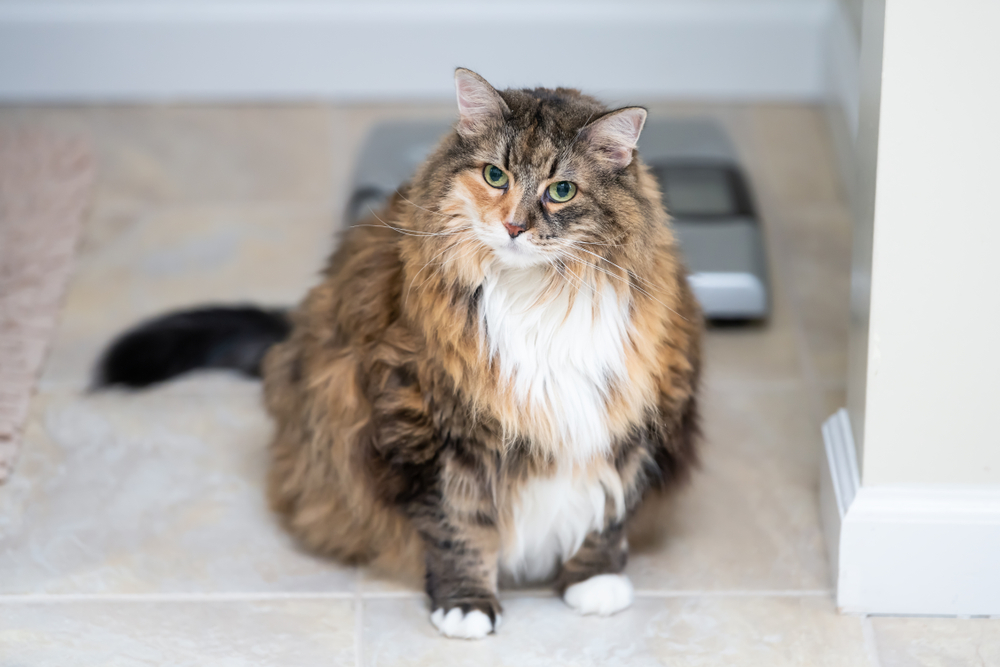
A little extra fluff might look cute, but excess weight can have serious consequences for your cat’s health and quality of life. In fact, veterinary studies estimate that more than half of pet cats are overweight or obese, putting them at higher risk for arthritis, diabetes, heart disease, and a shorter lifespan. (Association for Pet Obesity Prevention)
Because cats are masters of disguise—and because their fur can hide body shape—it isn’t always obvious when weight becomes a problem. Learning how to recognize the signs early can make a big difference.
What Does “Overweight” Mean for Cats?
Veterinarians typically use a Body Condition Score (BCS) system, which evaluates a cat’s fat coverage and body shape on a scale (usually 1–9).
- Ideal weight: 4–5
- Overweight: 6–7
- Obese: 8–9
You may have noticed a chart in your veterinarians office that shows 3 different cats from an overhead view. This shows us their “hour glass shape” if you will! We can tell if their tummies tuck in on the sides as they should in a healthy weight cat.
Visual Signs Your Cat May Be Overweight
1. No Visible Waist
When viewed from above, a healthy cat should have a slight inward curve behind the ribs. If your cat’s body looks oval or round with no waist definition, they may be overweight. (VCA Animal Hospitals).
2. Belly Pouch That Swings or Hangs
While a small primordial pouch is normal, a large, sagging belly that sways noticeably when walking can indicate excess fat.
3. Difficulty Grooming
Overweight cats often struggle to reach their back, hips, or belly, which can lead to a greasy or matted coat.
Hands-On Checks You Can Do at Home
4. Rib Test
Gently run your hands along your cat’s sides:
- Healthy: You can feel ribs easily with a light fat covering
- Overweight: Ribs are difficult to feel or require pressure
5. Spine and Hip Bones
You should be able to feel your cat’s spine and hip bones without pressing hard. If these areas are buried under fat, weight may be an issue. (VCA Animal Hospitals)
Behavioral Clues of Excess Weight
Weight gain often comes with subtle behavior changes:
- Reduced play or activity
- Reluctance to jump or climb
- Sleeping more than usual
- Getting tired easily during play
Extra weight places stress on joints and muscles, making movement uncomfortable. (Cornell University College of Veterinary Medicine)
Health Risks of Being Overweight
Excess weight isn’t just cosmetic—it can significantly impact your cat’s health:
- Diabetes mellitus
- Arthritis and joint pain
- Heart and respiratory disease
- Liver disease (hepatic lipidosis)
- Shortened lifespan
Overweight cats are also at higher risk during surgery and anesthesia, and may require more extensive post operative care.
What to Do If You’re Unsure
If you’re not confident assessing your cat’s weight:
- Ask your veterinarian to assign a Body Condition Score
- Track your cat’s weight over time
- Avoid sudden or drastic diet changes without veterinary guidance
Never put a cat on a crash diet—rapid weight loss can be dangerous and lead to fatty liver disease, which can be life-threatening. (VCA Animal Hospitals)
Final Thoughts
Because cats are experts at hiding changes under fur and behavior, weight gain often goes unnoticed until health problems arise. Regular at-home checks, routine vet visits, and awareness of subtle changes can help keep your cat at a healthy weight—and enjoying a longer, more comfortable life.
If you suspect your cat may be overweight, your veterinarian can help you create a safe, gradual weight-management plan tailored to your cat’s age, health, and lifestyle.






Leave A Comment